
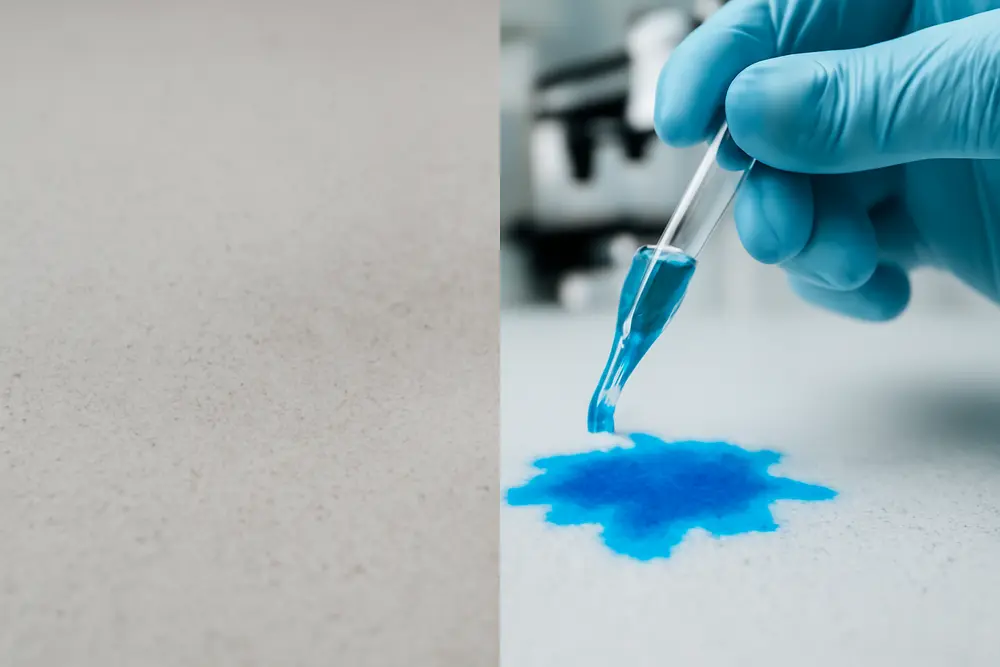
You cleaned the stovetop, took out the trash, and still your kitchen smells like a gym sock that dated a bacon strip. That funk is not your imagination. Low-flame, high-heat cooking can leave behind invisible protein soot, a nearly clear, clingy film that grabs surfaces and hides in your HVAC. You will not beat it with lemon spray and a playlist. You need the right chemistry and a pro’s playbook.
What Is Invisible Protein Soot
When meat, eggs, or dairy get cooked too hot for too long without big flames, the proteins and fats do a little disappearing act. They aerosolize into tiny sticky particles that ride the warm air and settle as a thin film. Unlike the black fluffy stuff from a candle or a full-on greasy wet soot from a deep fryer flareup, this residue looks like nothing. Touch a white cabinet door and your finger might feel slightly tacky. That clear film is the reason your kitchen still smells like burned chicken two weeks later.
This residue behaves more like a stubborn cooking oil than typical fire soot. It is translucent, slightly oily, and it bonds tight. It loves porous paint, unsealed wood, ceiling texture, cabinet finishes, and the inside of your range hood. It also hitchhikes through the air and lands in supply vents, on the HVAC coil, and inside return cavities. The odor keeps clouding the room until you remove the actual residue, not just the smell it throws off.
Why Ordinary Cleaning Fails
Most people grab a standard multipurpose cleaner or a citrus wipe and go to town. That just smears the residue, pushes it deeper, and perfumes the problem. Protein soot sticks thanks to heat-altered fats and proteins that cross-link and harden as they cool. Wrong chemistry gives you a shiny surface that still reeks. Acidic cleaners target minerals, not fats. Alcohol flashes off too fast to break the bond. Fragrance covers the odor for an hour, then the cooked-protein funk returns like it pays rent.
Scrubbing early makes it worse. Once you smear protein soot on flat paint or unsealed wood, you can press the residue into the pores. If the HVAC ran during or after the incident, you also have an odor loop. Air moves the smell from room to room, then the ducts and filters feed it back. Every time the system cycles, your kitchen gets a fresh puff of eau de burnt omelet.
Alkaline Cleaner Decontamination
Here is the fix. Fats and cooked proteins respond to high pH. Alkaline cleaner decontamination uses degreasers in the pH 10 to 12 range to break down oily residues and denature protein films. The cleaner needs contact time so the chemistry can work. Hit the surface, let it dwell, then gently agitate with microfiber or a soft brush. Rinse and repeat until the film is gone. Skip the rush job. If you wipe it off too fast, you are dragging half-dissolved residue across the next cabinet door.
Not every surface can handle high pH without testing. Always start with a small hidden spot behind a door or under a shelf. Painted cabinets, natural stone, and certain floor finishes can be touchy. On delicate finishes, we cut the product strength, extend dwell time a bit, and use ultra-light pressure. On stainless, we clean in the grain direction, then rinse and dry so we do not leave streaks that invite fingerprints and new grime.
How Pros Remove The Smell
Deodorizing works when the residue is gone. There is no shortcut. Pros treat this like a specific contamination, not a general housecleaning. Here is our typical workflow on a protein fire job, the same approach we use in our smoke cleaning facility for contents and on-site for structures.
| Step | What We Do |
|---|---|
| Inspection | Track the odor with our noses and with test wipes under bright light. Check the hood, cabinets, ceilings, adjoining rooms, and absolutely the HVAC if it was running. |
| Dry Removal | HEPA vacuum and dry-chem sponge where possible before adding moisture. This keeps residue from smearing into pores. |
| Alkaline Cleaning | Apply high-pH degreaser with controlled dwell time, then agitate with microfiber or soft bristle tools. Rinse with clean water and wipe dry. |
| Detail Work | Edges, seams, hinges, trim grooves, light fixtures, the inside lip of the hood, and the top of cabinets get special attention. We change towels and water constantly to avoid re-depositing residue. |
| Enzyme Boost | Target stubborn protein traces on porous surfaces with enzyme cleaners that keep digesting micro-residue between passes. |
| Odor Neutralization | Thermal fog or hydroxyl generators to neutralize odor that migrated. Ozone only in controlled unoccupied conditions. If materials are saturated, we prime-seal after cleaning. |
| HVAC Care | Filter change or upgrade, coil and housing cleaning, duct cleaning if contamination is present, and HEPA air scrubbers running during work. |
That last line matters. If your HVAC holds odor, everything else is playing catch-up. We want the system clean and filtering while the structure is being treated, not spreading the problem.
Where The Residue Hides
Protein soot moves with warmth and air flow. Hot updrafts carry it to ceiling corners and the cabinet tops you swear you already dusted. It slides behind crown molding and loves the rough side of ceiling texture. Inside the range-hood, the baffle filter becomes a sticky odor sandwich if it is not degreased in hot alkaline solution. Return vents pull the odor across a filter, then straight to the blower and coil where everything condenses and clings. Even the rubber gasket on your refrigerator door can hold the smell if the door was open while the room filled with light smoke.
We use odor mapping to chase it down. That is a fancy way of saying we sniff with purpose, check air paths, and verify with test wipes. If you clean only what you can see, you will keep smelling what you missed.
Field Examples From Austin Kitchens
Case 1 Saturday bacon marathon on a gas range. No flames, just hours of sizzling. The kitchen looked fine on Monday, but opening the pantry hit like a wall. We found invisible protein soot across the ceiling, the hood interior, and the crown molding over the pantry door. We shut down the air handler, swapped the filter, and set a HEPA scrubber. After dry sponging, we ran alkaline cleaner decontamination on the cabinets and ceiling, soaked the baffle filters in hot alkaline solution, and detail-cleaned the pantry shelves. We followed with a light enzyme pass on the flat paint, then hydroxyl treatment for 24 hours. Odor gone, client kept the bacon, not the smell.
Case 2 Crockpot queso cooked dry in a small condo. The tenant wiped everything with scented wipes for a week and nearly shellacked the residue to the wall. We used test wipes to show the clear film on the microwave side and the ceiling above the unit. We cut the alkaline strength a bit for the vinyl paint, used extended dwell, then rinsed thoroughly. We pulled the bathroom fan cover too because the tenant ran it to vent the smell and it collected residue. One light thermal fog after cleaning took care of residual odor in the living room textiles.
Case 3 Air fryer chicken thighs in a closed-up apartment. The client thought an air fryer could not cause smoke issues. Protein soot does not care. We found a sticky plume pattern on the nearest wall and the underside of two shelves. The HVAC was running so the return filter and coil were hit. With coil cleaning service, filter replacement, and a focused alkaline and enzyme combo on the shelves and wall, the odor dropped out fast. We sealed one small patch of unsealed MDF after cleaning because the odor kept blooming from that edge.
DIY Or Call A Pro
You can tackle small areas if the odor is light and contained. Keep the HVAC off until the source is addressed, open windows if outdoor air is decent, and start with dry sponges on walls and ceilings. Then use a quality alkaline degreaser mixed to label directions, let it dwell, and work in manageable sections. Rinse thoroughly and change your rinse water often. If wiping keeps bringing up tan or yellow residues, that is protein soot proving it is still there.
Stop and call a pro when the odor lingers more than a day, when the HVAC was running, when multiple rooms are affected, or when painted or wood finishes start to streak. This is where our team at Austin Hi-Tech Restoration shines. We handle fire and smoke cleanup daily, we operate a smoke cleaning facility in Central Texas for contents, and we pair alkaline cleaner decontamination with real odor neutralization, not perfume. We can inspect, map the odor, clean structure and contents, and address the HVAC so you are not chasing the smell around the house.
Products And Process Tips
Use cleaners designed for protein and grease, not glass spray or vinegar water. High-pH cleaners are the workhorses here, but they need patience. Apply from the bottom up to reduce streaking, then rinse from the top down to catch runoff. On cabinets, pull hardware and clean behind it. On the hood, remove the filters and degrease them in a hot alkaline bath, then clean the plenum and the light lenses. On ceilings, use light pressure and work in overlapping passes so you do not miss halo edges where the plume spread out.
For textiles and soft goods, straight washing sometimes fails because the odor molecules hold tight. We pre-treat with enzymatic products, then run controlled deodorization in our facility if needed. If you have a beloved apron that still smells like scorched stew, that is fixable with the right sequence.
How Odor Neutralization Works
Once hard surfaces are clean, we neutralize what you cannot scrub. Thermal fogging creates a dry vapor that follows the same tiny paths smoke used, pairing with odor molecules and altering them. Hydroxyl generators produce radicals that change the chemistry of odors in the air and on surfaces. Ozone is effective in certain cases, but we use it with strict controls in unoccupied spaces. If odor keeps pushing from a stained or unsealed area after cleaning, a quality odor-blocking primer and repaint locks it down. Sealers are not shortcuts. They are the last step after removal, not the first line of defense.
HVAC And Hidden Voids
The HVAC can be a hero or a villain. If it was pulling air during the incident, it collected residue. Filters load up quickly and can release odor every time the fan kicks on. We replace filters and use higher MERV ratings where the system allows it. We inspect the coil and blower, clean housings, and evaluate ducts when test wipes show contamination. During on-site cleaning, we set HEPA air scrubbers to capture what we stir up. That keeps the system from redistributing fine particles while we work.
Hidden voids matter too. The gap above cabinets, soffits, and the hollow behind a range splash guard can all store odor. We open what we can access reasonably, clean, and if needed, fog into those spaces after surface work so the neutralizer gets where your hand cannot.
Prevention That Actually Works
Use the vent hood on high whenever you cook proteins. If your hood just recirculates through a charcoal pad, understand it filters particulates but does not remove moisture or carry fumes outdoors. Real venting to the exterior helps. Clean baffle filters in a hot sink bath with a diluted alkaline degreaser, rinse, and dry. Do this monthly if you cook a lot of meat or fry often. Do not walk away from a skillet while you sear or simmer a thick sauce. Oils and proteins tip from toasty to smoky fast. Set a timer, keep lids handy, and watch the heat.
Choose pans that match your burner size. Oversized pans create a ring of overheated oil that smokes. Keep an eye on cooking oils. Once they start to haze, you are flirting with residue city. After a heavy sear session, hit nearby surfaces with a light alkaline wipe-down instead of waiting for build-up. It is a two-minute habit that saves you from an all-day odor hunt later.
Protein Fire FAQ
Why does my kitchen still smell even though I do not see soot?
Invisible protein soot is clear and sticky. It clings to paint, cabinets, and the hood interior while continuing to off-gas. Until you remove the residue with the right chemistry, the smell stays.
Can I fix this with vinegar or baking soda?
Vinegar is acidic and misses fats. Baking soda has alkalinity but not the wetting and emulsifying power you need. A quality alkaline degreaser with proper dwell time works far better, followed by a complete rinse.
Will repainting solve the odor?
Not if you skip cleaning. Paint can trap odor and make future removal harder. Clean first, neutralize, then use an odor-blocking primer and finish coat only if stains or smells persist.
Do I need duct cleaning?
Only if the HVAC shows contamination. We check filters, coil, and ducts with inspection and test wipes. If residue is present, cleaning helps break the odor loop. If not, a filter change and coil wipe may be enough.
Is ozone safe for occupied spaces?
No. Ozone treatments are done in controlled, unoccupied conditions with re-entry after safe levels are confirmed. We prefer hydroxyl and thermal fogging for most occupied projects.
How long does professional cleanup take?
Small kitchen-only events often wrap in a day. Multi-room cases with HVAC work can take two to three days, then we may run deodorization gear a bit longer while the home is occupied.
Ready For An Inspection
If your kitchen looks fine but smells like a burnt omelet, you are probably dealing with invisible protein soot. Our crew at Austin Hi-Tech Restoration pairs alkaline cleaner decontamination with detail cleaning and real odor neutralization. We handle the structure, the contents in our Central Texas smoke cleaning facility, and the HVAC that keeps recycling the funk. Reach out and we will map the odor, show you where residue hides, and clear the smell for good.