
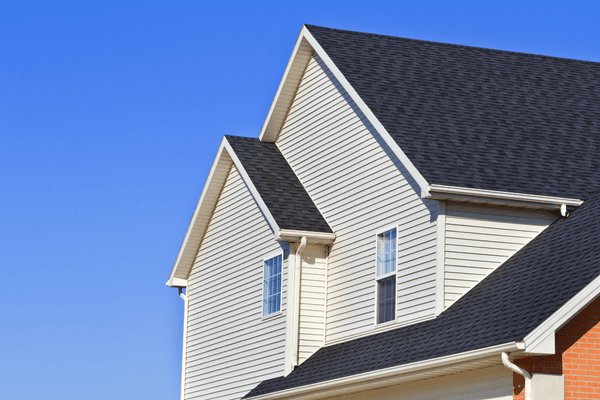
Sliding replacement costs in Austin can vary significantly depending on your home’s size, the material you choose, labor requirements, and whether underlying water damage or structural repairs are involved. In Central Texas, extreme heat, storms, and moisture exposure can also shorten the lifespan of certain siding materials over time.
At Austin Hi-Tech Restoration, we’ve worked with homeowners dealing with deteriorating siding, storm-related exterior damage, and moisture issues hidden behind aging panels. This guide breaks down common siding replacement costs, material options, and factors that can affect your overall budget.
From Materials to Labor: Breaking Down Siding Replacement Costs
When it comes to siding replacement, several factors affect the overall cost. It’s not just about the price tag on the materials; it’s about the whole process.
In Austin, siding replacement projects typically range between:
- $8,000 – $18,000 for vinyl siding
- $12,000 – $28,000+ for fiber cement siding
- Higher for custom wood or large multi-story homes
Costs can increase if water damage, framing repairs, or insulation replacement are discovered during removal.
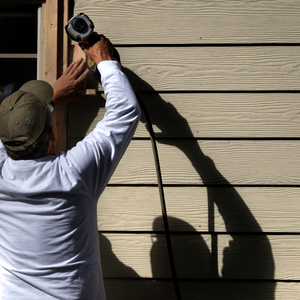
Here’s what you’re paying for:
- Materials: The type of siding you choose plays a huge role in your costs. Options like vinyl are more affordable, while fiber cement or natural wood tend to be pricier.
- Square Footage: Larger homes require more materials and labor, which means higher costs.
- Installation Complexity: If your home has unique architectural features like curves or multiple stories, expect the labor costs to increase.
- Extras: Removal of old siding, insulation upgrades, and permits can all add to the final bill.
What’s Included in a Siding Replacement Estimate?
When you get an estimate, don’t just look at the bottom line—ask what’s included. A reliable contractor will break down everything from material costs to labor and any additional services.
For example, if your old siding has to be removed or if your home needs repairs before the new siding goes up, those will be factored into the quote. Make sure to ask about insulation, as this is often a great opportunity to improve your home’s energy efficiency.
Vinyl, Wood, or Fiber Cement: Which Siding Fits Your Wallet?
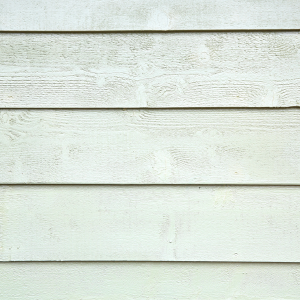

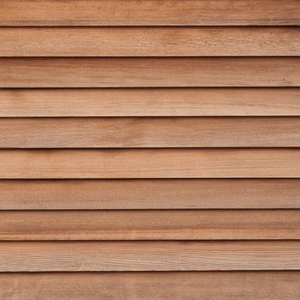
Choosing the right siding material is about balancing your budget with your home’s needs. Here’s a quick rundown:
- Vinyl Siding: Affordable, low-maintenance, and versatile. It’s a popular choice for homeowners on a budget.
- Wood Siding: Beautiful and timeless, but it comes with a higher price tag and requires more maintenance.
- Fiber Cement: Durable and fire-resistant, but it’s one of the more expensive options.
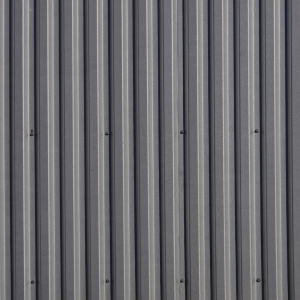
- Metal Siding: A sturdy and long-lasting option, ideal for homes in areas prone to harsh weather. However, dents from impacts (like a tree branch) can be costly to repair.
Timing Is Everything: When to Replace Siding for the Best Deals
Did you know that timing can impact how much you pay? Siding contractors are often busiest in spring and summer, so scheduling your project during the off-season (like late fall or winter) might save you money.
Plus, suppliers sometimes offer discounts on materials during slower months. Many homeowners save money by scheduling exterior projects during slower contractor seasons when labor demand is lower.
Sure, DIY projects can save money—if you know what you’re doing. But siding replacement is no small task. It requires special tools, precise measurements, and a good understanding of installation techniques.
We’ve seen a few DIY attempts gone wrong, from uneven siding panels to poor sealing that led to water damage. Hiring a professional might cost more upfront, but it can save you time, stress, and future repairs.
How Energy-Efficient Siding Cuts Utility Bills
Upgrading to energy-efficient siding doesn’t just improve your home’s appearance—it also helps you save money on utility bills. Here’s how it works:
- Improved Insulation: Energy-efficient siding materials, like insulated vinyl or fiber cement, create a thermal barrier that prevents heat from escaping during the winter and keeps cool air inside during the summer. This means your HVAC system doesn’t have to work as hard, reducing energy consumption.
- Reduced Drafts: Older or damaged siding often allows air leaks that make your home less comfortable and drive up heating and cooling costs. New, tightly sealed siding minimizes drafts, keeping your indoor temperature stable.
- Reflective Technology: Some siding options come with reflective coatings that deflect solar heat, keeping your home cooler in hot weather and reducing the need for air conditioning.
- Long-Term Savings: While energy-efficient siding may cost more upfront, the savings on your utility bills can offset the initial expense over time. It’s an investment that pays you back every month.
In short, choosing energy-efficient siding is like giving your home a cozy, cost-cutting sweater. It’s an upgrade that keeps your home comfortable year-round while lowering your energy bills—a win-win for your wallet and the environment!
What Homeowners Often Overlook During Siding Replacement
We’ve been in the business long enough to spot common mistakes that drive up costs. Avoid these pitfalls:
- Skipping Inspections: Failing to check for underlying damage can lead to unexpected expenses during installation.
- Choosing the Cheapest Option: Low-cost materials might save you now, but they often need more maintenance or replacement sooner.
- Hiring Unqualified Contractors: Always vet your contractor to ensure they’re experienced and licensed.
Speaking of contractors, how do you find one who delivers quality work at a fair price? Here’s what to look for:
- Positive reviews and testimonials.
- Clear, detailed estimates with no hidden fees.
- Transparent communication about timelines and materials.
At Austin Hi-Tech Restoration, we pride ourselves on offering top-notch service at a reasonable price. Our team has years of experience, and we treat every project as if it’s our own home.
When Siding Damage May Point to Larger Water Issues
Damaged or aging siding can sometimes hide deeper moisture problems behind exterior walls. We often see water intrusion around improperly sealed siding, windows, or flashing systems that eventually lead to mold growth, wood rot, or interior drywall damage.
If you notice bubbling paint, warped panels, musty odors, or visible staining inside the home, it may be worth scheduling a professional inspection before replacing siding alone.
Siding replacement doesn’t have to drain your wallet. By understanding costs, choosing the right materials, and working with a trusted contractor, you can upgrade your home without financial stress.
At Austin Hi-Tech Restoration, we’re here to help you every step of the way. Whether you’re ready to replace your siding or just exploring your options, contact us today for a free consultation. Together, we’ll make your home look amazing—without breaking the bank.
FAQs About Siding Replacement
Does homeowners insurance cover siding replacement in Texas?
Homeowners insurance may cover siding replacement if the damage was caused by a sudden event such as hail, wind, fallen trees, or severe storms. Normal aging, fading, and wear over time are typically not covered. It’s important to document damage quickly and schedule a professional inspection if you suspect storm-related exterior damage.
What siding lasts longest in Austin weather?
Fiber cement siding is one of the most durable siding options for Austin homes because it handles heat, humidity, heavy rain, and temperature fluctuations well. Properly maintained fiber cement siding can last several decades and is often more resistant to moisture and warping than traditional wood siding.
Can damaged siding cause water intrusion?
Yes. Cracked, warped, or poorly sealed siding can allow water to enter behind exterior walls, especially during storms or heavy rain. Over time, hidden moisture intrusion can lead to mold growth, wood rot, insulation damage, and interior drywall issues if repairs are delayed.
Is fiber cement siding worth it in Texas?
For many Texas homeowners, fiber cement siding is worth the investment because of its durability, fire resistance, and ability to withstand harsh weather conditions. While the upfront cost is usually higher than vinyl siding, the long-term lifespan and lower maintainance needs often make it a cost-effective option over time.
Protect Your Home With the Right Siding Replacement Strategy
Replacing siding is more than a cosmetic upgrade. Properly installed siding helps protect your home from moisture intrusion, energy loss, and long-term structural damage caused by Texas weather conditions.
At Austin Hi-Tech Restoration, we help homeowners identify siding damage, hidden moisture issues, and exterior deterioration before they become more expensive repairs. Whether you’re dealing with storm-related damage, aging materials, or visible water intrusion, choosing the right siding solution can improve both protection and long-term property value.
If you’re considering siding replacement in the Austin area, our team can help you evaluate material options, identify underlying damage, and better understand the scope of your project before work begins.