
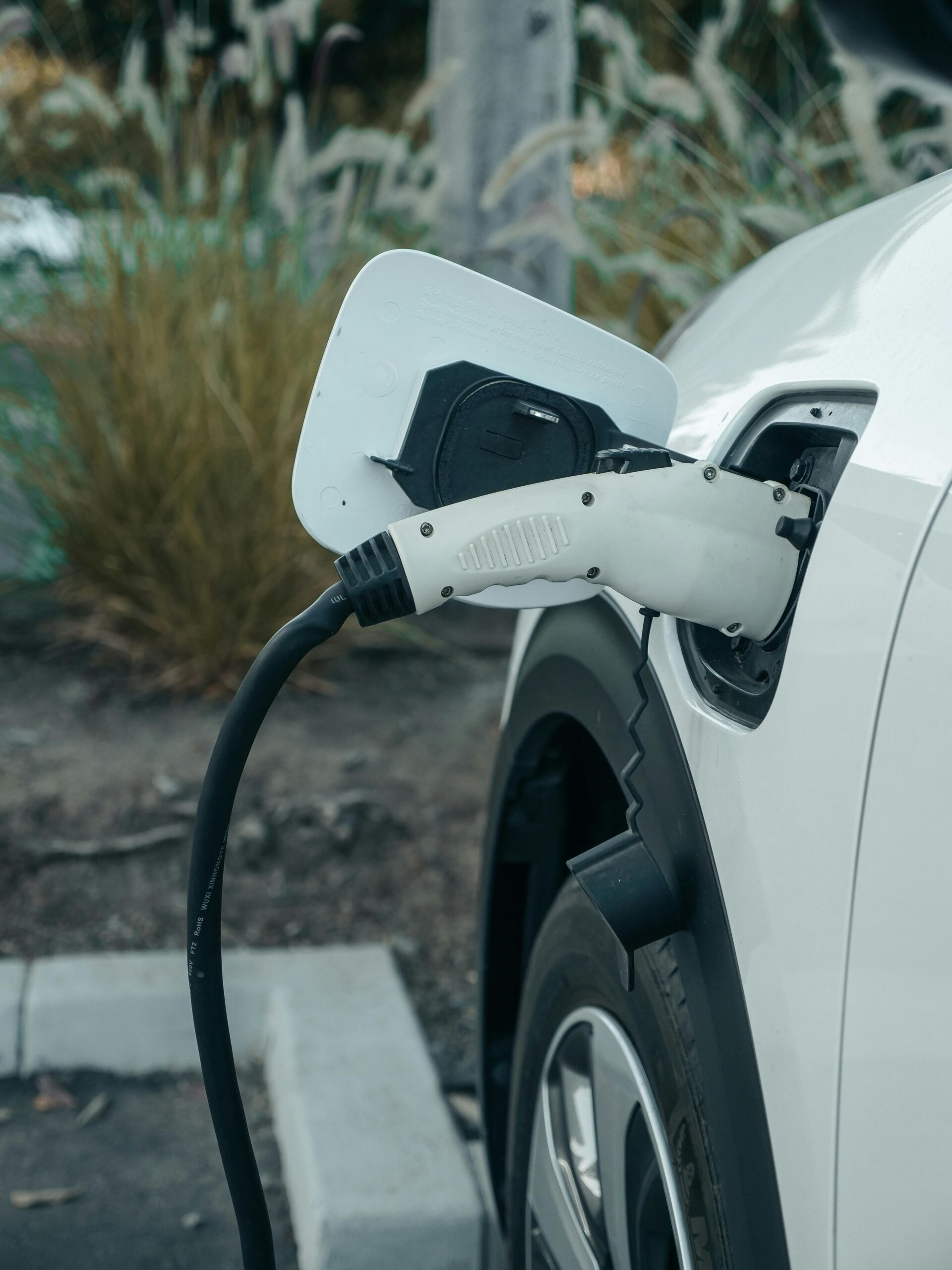
If your EV charger is out there taking a shower every time it rains, your garage wall is the sponge. I run a water, mold, and fire restoration company, and I’ve peeled back enough soggy drywall to tell you this: EV charger weatherproofing is not optional. It’s the quiet difference between a clean charge and a GFCI that trips at 2 a.m., corrosion that eats your investment, and leaks that stain, swell, and rot. The fix is not a tube of caulk and a prayer. It’s proper sealing of conduit, mounts, and panels, using enclosures that actually keep water out, and smart details like rainproof cable glands and drip loops that send water where it belongs: away from your electrical gear.
Why Waterproofing Beats Repairs Every Time
Outdoor EV gear has natural leak paths. Anywhere you punch a hole for conduit, run a cable, screw a bracket, or mount a panel, water will try to sneak in. Wind-driven rain doesn’t care that your charger is rated outdoor. It finds a hairline gap around a fitting, rides a conductor, condenses inside a cool raceway, then drools into a box. From there it’s a short trip to nuisance tripping, rust blooms, and stained gypsum that smells like a locker room after summer two-a-days.
I’ve seen chargers hung on raw siding with no mounting block, EMT stubbed through brick with no boot or sealing washer, and a neat bead of silicone serving as the only defense. Six months later, the panel looks like a chemistry experiment and the homeowner thinks their breaker hates them. This is exactly why EV charger weatherproofing is a system, not a sticker. You need the right enclosure, tight penetrations, and a plan for water management at every turn, from the service panel to the holster where you park the plug.
There’s a lot we can borrow from rooftop solar best practices. Flashing a mount, sealing pilot holes, using boots at conduit entries, and sealing where warm interior air meets cold exterior races all come straight from proven roof and PV work. If you want a deeper read on leak patterns and sealing logic, check the roof flashing and PV conduit guidance we use in-house: Solar Panel Roof Flashing Leaks & PV Conduit Seals and Protecting Your Home’s Electrical System From Water.
Code You Actually Need To Care About
You don’t have to memorize the NEC to keep water out, but a couple sections will steer you right. For receptacles that feed portable EVSE or level 1 charging outside, NEC 625.56 and NEC 406.9 matter. They require outdoor EV charging receptacles in wet locations to be weatherproof whether or not a plug is inserted, with an extra-duty in-use cover where applicable. Translation: a flip-lid isn’t enough once you plug in. You need the hood that lets the cord stay connected while the cover still seals.
Then there’s the silent killer: condensation. Warm interior air can move through a raceway and condense when it hits cooler sections. NEC 300.7(A) calls for sealing where a raceway passes from a warm to a cold area to stop that airflow. If you ignore it, you’ll find surprise water droplets inside your box even on a sunny day. Seal temperature transitions and you stop the internal rainstorm.
Local jurisdictions edit and enforce these rules, and newer code cycles expand GFCI protection outdoors. The right move is simple: use equipment listed for wet locations, install per the listing, seal transitions that invite condensation, and choose covers that remain weatherproof while in use. If your installer rolls up without extra-duty covers or tries to use an indoor box outside, that’s your green light to hit pause.
Pick Enclosures That Survive Weather
Start with boxes and chargers that are actually rated for the job. NEMA and IP ratings tell you what a housing can handle. If your charger or junction box is outdoors, aim for NEMA 4 or 4X or at least IP65. NEMA 3R can work when the mounting is protected and penetrations are tight, but it breathes more than you think and will not love wind-driven rain in a bad location.
| Rating | What It Means | Where It Fits |
|---|---|---|
| NEMA 3R | Rainproof, vented, not hose-tight | Shaded walls, under eaves, careful penetrations |
| NEMA 4 | Watertight, dust-tight, hose-down capable | Exposed walls, windy sites, splash zones |
| NEMA 4X | NEMA 4 plus corrosion resistance | Coastal, industrial air, long-term durability |
Chargers and boxes that advertise IP65 or higher typically keep jets and dust out. If you’re choosing a pedestal, subpanel, or junction for an exposed run, pick gear with gasketted covers and stainless or UV-stable hardware. See this quick refresher on protective housings and ratings used in EV installs: EV Charger Safety Guidelines.
Using Rainproof Cable Glands
Rainproof cable glands are the unsung heroes that keep round cables round, sealed, and strain-relieved. Any place a flexible cable enters an enclosure, a listed, weatherproof gland beats a hole with silicone around it every time. Pick a gland with an IP66 or IP68 rating, a sealing grommet that matches your cable diameter, and materials that match the environment. Nylon glands are common and UV-stabilized versions hold up well. For harsher sites, nickel-plated brass or stainless glands bring more bite against heat and sunlight.
Here’s what separates a good gland install from a future leak:
Size matters. Glands list a clamping range. Measure the actual cable OD and choose the center of the gland range, not the extremes. If you undersize, you’ll scar the jacket. Oversize and you’ll never get full compression, which lets water wick in.
Seal both sides. On sheet metal or plastic enclosures, use the manufacturer’s sealing washer under the external locknut or a listed O-ring under the head, so the water path around the threads is closed. Plain locknuts inside a box do not seal water. You need a gasketed interface on the weather side.
Tighten to spec. Glands have torque ratings for a reason. Hand-tight plus a quarter turn is a guess. A wrench set to the listed torque compresses the grommet uniformly and keeps it that way over seasons of hot-cold cycling.
Respect bend radius and strain relief. If the cable makes a tight turn right at the gland, water collects along the bend and pushes at the seal. Give it a gentle sweep and add a support clip below so the gland doesn’t carry the cord’s entire weight. Many chargers include a holster or bracket for this. Use it.
If you want a quick sanity check on how these entries should look and how to keep moisture out of sensitive hardware, this practical guide lays it out well: Prevent Moisture Or Water Damage To Outdoor EV Chargers.
Conduit Sealing That Actually Works
Rigid and flex conduit can be watertight in theory and still funnel water right into your wall in practice. It usually happens at two points: the penetration and the temperature change. Fix both.
Start with the penetration. Where conduit exits siding, stucco, or masonry, use a listed raintight fitting and a sealing method that sheds water. On threaded hubs, use listed sealing washers or hubs with integral O-rings. On compression connectors, make sure the gland compresses squarely on EMT and the connector itself is listed raintight. If you’re punching through stucco or brick, don’t leave a ragged oversize hole filled with caulk. Sleeve the opening cleanly, use a proper bushing, then seal the annular space with a long-lasting sealant that bonds to both materials.
For walls with texture or laps, a mounting block or escutcheon behind the fitting gives you a flat plane for a consistent seal. Think of it like flashing. Water hates sharp transitions and loves capillary gaps. A flat backer and a gasket squash those gaps.
Now handle the temperature change. A vertical conduit that passes from a warm garage to the cold outdoors is a condensation pipe if it’s not sealed. Per the same logic we use in PV work and as outlined by NEC 300.7(A), you should seal the raceway where it crosses that boundary. At the warmer side, pack the raceway with a non-hardening duct seal or use a listed sealing fitting per the code and equipment listing. The goal is to stop warm air from pumping through the pipe, not to glue it shut. Done right, you’ll keep moisture out of your boxes without blocking conductor movement or violating any listing.
Conduit routing helps too. If you can, angle exterior penetrations slightly downward toward the outside and add a drip loop before a cable or conduit enters an enclosure. If the site is high-splash or driving rain, consider a NEMA 4 gasketed box with a listed drain-breather at the lowest point so incidental moisture escapes instead of pooling. Never drill random weep holes in a listed enclosure. Use listed drain accessories or boxes with manufacturer knockouts for drains.
One last note on physical protection: where conduit is exposed to possible bumps, schedule 80 PVC or rigid metal resists damage far better than thinwall. A cracked conduit body is a hidden downspout you will not notice until the stain shows up on your baseboard.
Mounting Chargers Without Making a Gutter
Chargers themselves are usually gasketed, but the wall behind them isn’t. When you lag a unit onto lap siding or through stucco, you need a plan to shed water around the bolt holes and compact the surface under the charger. Here’s how we prevent the classic halo stain and the sneaky leak behind the faceplate.
Use a mounting block or backer. On lap siding, a vinyl or composite mounting block creates a flat, drainable surface. On brick or stucco, a composite backer spaced off the wall with standoffs keeps the charger off any micro-puddles. Backers also let you pre-seal fasteners before you hang 40 pounds of hardware in your hands.
Pre-seal every pilot hole. Before setting lag bolts, inject a bead of a high-grade sealant into each hole so the threads are bedded, not just capped. We use sealants that bond to masonry, wood, and metals without shrinking. If the charger’s bracket has gaskets or EPDM washers, seat them fully and do not over-torque. An over-squeezed washer splits and stops sealing just in time for the next storm.
Treat horizontal surfaces like they’re enemies. Any top edge that can collect water should be flashed or sloped. If your bracket creates a shelf, add a small drip edge above it or use a backer with a beveled top. Water on a shelf always finds a way in.
For roof or soffit runs into an attic then down to the charger, use proper roof jacks or deck flashings. The same principles that keep PV mounts from leaking work here too. If you want to see precisely how we flash mounts and seal deck penetrations for long-term dryness, this breakdown shows the parts and sequence: PV Conduit Seals And Roof Flashing.
Panels And Receptacles That Stay Dry
Most water-damaged charging circuits fail right where the cord meets the house. The cure is simple: use equipment that is listed for wet locations and install it like it’s going to war with rain.
Outdoor receptacles that serve EVSE need weather-resistant devices, GFCI protection where required, and extra-duty in-use covers so they stay sealed while you’re actually charging. That’s straight out of NEC 406.9. The cover should close snugly over the cord, with its gasket compressing everywhere, not just at the hinge. If the lid flaps in a breeze, you bought the wrong cover.
For hardwired chargers, choose a disconnect or junction rated NEMA 4 or 4X where it’s exposed. Use stainless hardware so rust streaks don’t telegraph through your paint job. Tighten cover screws evenly so the gasket compresses fully. If the enclosure manufacturer supplies a sealing washer for hubs, use it. Teflon tape on threads is not a weather seal for a hub unless the listing says so.
Inside the panel, keep aluminum conductors properly terminated with antioxidant where specified and follow the torque spec. Loose lugs heat, cool, and pump moisture. That’s a slow-motion leak recipe from the inside out.
Avoid These Installation Mistakes
There’s a greatest-hits list of errors I keep seeing on wet chargers. If you spot any of these during a walkthrough, stop and correct them before the first rain.
Using an indoor box outdoors. If it isn’t listed for wet locations, you just installed a sponge with a cover.
Relying on caulk as structure. Sealant is the belt, not the pants. Without the right glands, washers, and flashings, caulk cracks and you’re back to leaks.
No in-use cover on a charging receptacle. The minute you plug in, water wins. Extra-duty hoods exist for a reason.
Skipping the 300.7(A) seal. Condensation will fill a raceway even in a drought. If the boundary isn’t sealed, your box gets rained on from the inside.
No drip loops. If the cable or conduit runs upward into a box without a low point, the box is the low point. Gravity is undefeated.
Improper fasteners. Drywall screws in exterior work are rust machines. Use stainless or hot-dipped galvanized fasteners made for exterior use.
Maintenance That Prevents Mold
Once your install is tight, keep it that way. After the first heavy rain, crack the cover and take a look. A clean, dry interior with no moisture on the bottom edge means your seals are doing their job. If you see beads, staining, or a little lake in the corner, address it immediately. Small leaks turn into soft drywall and mold in a season or two.
Seasonally, inspect gasketed covers for cracking, check that in-use covers still close over the cord, and feel for loosened fittings. UV cooks plastics, and vibration loosens screws over time. Replace brittle glands, re-torque covers to spec, and keep the holster clean so you’re not hanging a wet connector over a sealed box that can’t dry out.
Scan the area around the charger for anything that changes how water flows. Clogged gutters, mis-aimed sprinklers, or a new fence panel can turn a dry spot into a splash zone. Your weatherproofing is a system, and water will always probe for the weak link.
Pre-Install Planning Checklist
Want an install that charges cars, not contractors like me? Bring this punchy list to your installer and get clear answers before anyone drills a hole.
- Enclosures and disconnects rated NEMA 4 or 4X, or IP65+, not just 3R for exposed walls.
- Weather-resistant receptacles with extra-duty in-use covers where used.
- Rainproof cable glands sized to your cable OD, with sealing washers on the weather side.
- Raintight compression fittings on EMT and gasketed hubs on threaded entries.
- Sealing per NEC 300.7(A) where raceways cross temperature boundaries.
- Mounting blocks or backers on lap siding, with pre-sealed pilot holes and EPDM washers.
- Drip loops on cords and conductors before they enter boxes, plus proper cable supports.
- Corrosion-resistant fasteners and UV-stable materials for sun-exposed runs.
- Photo documentation of penetrations, seals, and final gasket compression before close-up.
FAQ
Do I Really Need An Extra-Duty In-Use Cover?
If you’re plugging in outside, yes. Standard flip lids only protect when nothing is plugged in. Extra-duty in-use covers are required in wet locations for 15 and 20 amp receptacles and are the only way to keep water out while the cord is connected. See NEC 406.9 for the plain-English version.
Are NEMA 3R Boxes Enough For An Outdoor EV Charger?
They can be if the site is protected and penetrations are perfect, but they’re vented and not hose-tight. On an exposed wall with wind-driven rain, go NEMA 4 or 4X. The gasketed door and tighter construction give you a much bigger margin for error and time.
What Sealant Should I Use Around Penetrations?
Use a high-grade, exterior-rated sealant compatible with your materials, like polyurethane or a quality hybrid that bonds to masonry, metal, and vinyl. For sealing inside a raceway at a temperature boundary, use a non-hardening duct seal or a listed sealing fitting as required. Plain painter’s caulk or a random silicone bead is not a long-term weather seal.
What Are Rainproof Cable Glands And Why Are They Better Than Caulk?
They’re listed cord grips with compressible grommets that seal against a cable jacket and the enclosure surface. They provide a uniform seal, strain relief, and a clean entry point. Caulk is a surface bandage that shrinks, cracks, and lets water wick along the cable jacket. Glands do the sealing job for years when torqued correctly.
How Do I Stop Condensation Inside My Conduit?
Seal the raceway where it passes from a warm to a cold area to stop air movement, as required by NEC 300.7(A). Add drip loops and consider a listed drain-breather at the low point of a NEMA 4 enclosure if the site is prone to incidental moisture. Never drill ad hoc holes in listed boxes.
Can I Mount The Charger Straight To Lap Siding?
You can, but you’re building a water maze. Use a mounting block or backer to create a flat, gasket-friendly surface. Pre-seal pilot holes and use fasteners with EPDM washers. The goal is to shed water around the charger, not funnel it behind it.
If you already installed a charger and something smells swampy or the GFCI trips on humid mornings, don’t wait. Pull the covers, look for water tracks, and fix the seals before your wall turns into oatmeal. If you want backup from folks who clean up the mess when water wins, we’ll help you inspect the install and patch the envelope right the first time. Keep the electrons flowing and the water moving the other direction.