
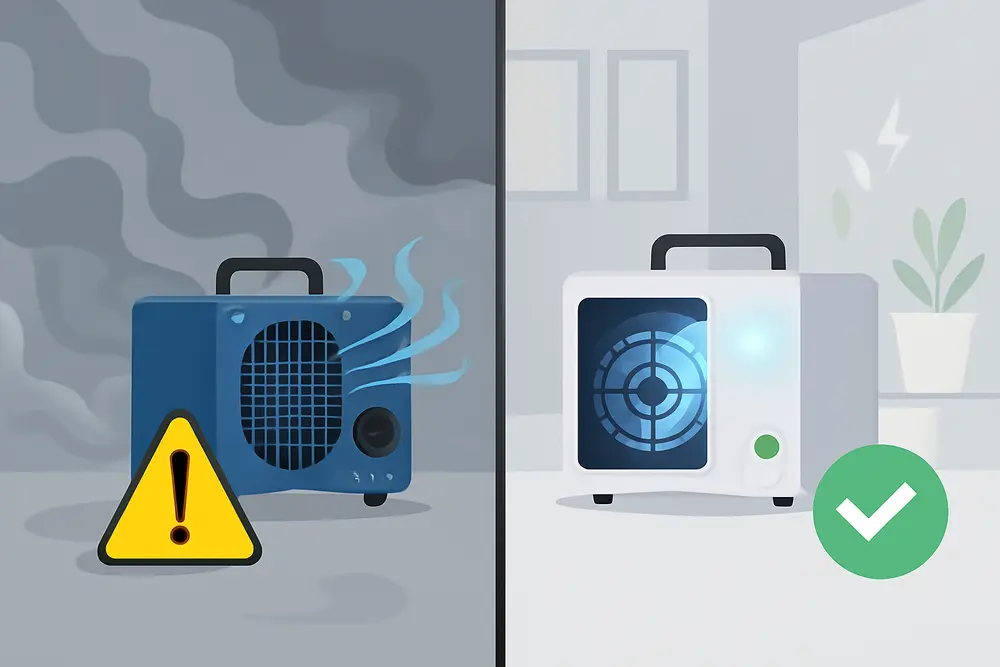
Smoke odor after a fire is like that one guest who sat on your couch, spilled salsa, and now lives rent free in your drywall. If you want it gone for good, you need chemistry and a plan. Two proven tools in the odor-killing toolbox are ozone generators and hydroxyl generators. They both attack odor molecules through oxidation, but they do it differently and with different safety rules. Here’s the straightforward breakdown on how they work, where they shine, what can go wrong, and how to pair them with source removal so the stink does not come back.
How Ozone Treatment Works
Ozone is oxygen with an extra oxygen atom hitching a ride. That third wheel makes it wildly reactive. In post-fire settings, ozone reacts with volatile organic compounds and smoke residues by breaking chemical bonds and changing the molecules so they no longer trigger your nose. When used with the right concentration, exposure time, and ventilation, ozone can reach into porous materials and tight cavities where smoke likes to hide. Think subflooring, wall cavities, and the backside of drywall.
Its strength is speed and reach. Given a sealed, unoccupied space, ozone can knock down heavy, stubborn smoke odor fast. After treatment, ozone naturally decays back to oxygen. The flip side is the same reactivity that makes ozone powerful can also irritate lungs and degrade certain materials if you get sloppy with setup or timing.
If you want a plain-language explainer on what ozone machines are and why the environment matters, this overview is helpful from Breathe Better Air What Is An Ozone Machine.
How Hydroxyl Generators Work
Hydroxyl generators create hydroxyl radicals. Outdoors, sunlight hits oxygen and water vapor and you get hydroxyls floating around doing nature’s cleanup. Indoors, a hydroxyl generator uses a UV or photocatalytic process to produce a controlled stream of those same radicals. Hydroxyl radicals are extremely reactive, but they are short lived and react where they are generated. They can neutralize many smoke VOCs and odorants at lower concentrations than ozone, often with fewer side effects for people and materials.
The big advantage is flexibility. You can usually run hydroxyl generators during restoration work while crews are on site and in some cases while occupants remain in adjacent areas, provided you follow the manufacturer’s instructions. This article from R and R Magazine outlines their safety profile and practical use in restoration Are Hydroxyl Generators Safe For Odor Removal.
Hydroxyl generators can be slower than an ozone shock treatment for deep, baked-in odor. But their steady, continuous action makes them perfect as a background workhorse while you clean, remove debris, and run air movers and dehumidifiers.
Ozone Treatment Precautions
Ozone gets results, but you have to respect the rules. Ozone is a respiratory irritant. It does not belong in occupied indoor air. The U.S. EPA has made its stance very clear on ozone-generating cleansers in occupied spaces. You can see their guidance here EPA on Ozone Generators. California goes further by restricting devices that emit more than 0.05 ppm ozone in spaces where people are present. You can get a quick primer on that limit here Are Ozone Air Purifiers Safe.
Here is how we run ozone safely after fire damage:
Clear the space. People, pets, and plants exit the treatment zone before the unit turns on. Seal off supply and return registers if the HVAC is not being treated and isolate adjoining rooms as needed. Use signage and lockouts so no one wanders in. Run the generator at a level appropriate for the cubic footage and odor severity. Treatment may take several hours. Keep the environment dry because high humidity can alter reaction pathways and not in your favor. When the treatment ends, allow decay time, then ventilate thoroughly with mechanical exhaust or cross breeze. We typically allow a buffer window from one hour to half a day before anyone re-enters depending on ozone concentration and ventilation performance. Manufacturer manuals echo these steps because they work. A typical safety manual is here Oxidation Tech Ozone Manual.
Material safety matters too. Ozone can accelerate aging in rubber gaskets, foam, elastic fabrics, certain plastics, and even coatings on electronics. Use it around those materials only when the benefit outweighs the risk. Keep humidity in check. Do not run ozone near wet contents or during active water mitigation.
Hydroxyl Generator Safety
Hydroxyl generator safety is the main reason many restoration pros run them first on day one. Used as directed, these units generate reactive species at levels meant to mimic the natural outdoor process. In an independent GLP-standard 13-week exposure study on an Odorox Boss unit, no adverse effects were observed in test animals. You can read that technical report here Odorox Toxicology Study. Industry coverage reflects the same point that proper operation keeps any ozone byproduct below OSHA limits Hydroxyl Safety In Practice.
Safe use is not a free pass to be careless. Place the unit to ensure good airflow, keep it dry, and use grounded power. Do not drape wet materials over the machine. Follow the manufacturer guidelines on distance from sensitive items and ventilation needs. This sample manual outlines common sense practices that mirror most brands Hydroxyl Boss Manual.
One practical note. Hydroxyls react in the air stream and on nearby surfaces, so strategic placement speeds results. Pair the unit with air movers to sweep radicals through rooms and lightly agitate surfaces. Keep the HVAC fan on circulate if the duct system is clean or has been protected, and use dedicated duct cleaning when it is not.
Ozone vs Hydroxyl At A Glance
| Use Ozone When | Use Hydroxyl When |
|---|---|
| The building can be fully unoccupied and sealed for treatment with controlled re-entry timing | Spaces are in use by crews or occupants and you need continuous odor reduction during work |
| Odor is heavy and deeply embedded in structural materials that are otherwise salvageable | Odor ranges from moderate to severe in sensitive environments like homes or offices |
| Materials at risk of ozone damage can be removed or protected and humidity is low | You want a safer profile around rubber, upholstery, and electronics with less risk of degradation |
| A rapid, high-intensity oxidation push fits the schedule and you can manage strict access control | Steady, around-the-clock reduction fits the schedule and people need access to parts of the building |
| You plan a final punch after deep cleaning to chase residual odor in hidden pores | You want to start odor control on day one while demolition, HEPA vacuuming, and cleaning happen |
When to Use Ozone or Hydroxyl
If everyone is out of the building for a day and the odor is brutal, ozone earns its keep. It is the heavyweight move for brick, plaster, and framing that took a beating from a smoky fire. Run the treatment after you remove debris and after most wet cleaning is done. Then ventilate and assess. If rubber-backed flooring or brittle plastics are in the space, weigh the risk and remove or isolate them first.
If people need to be on site or the space is a condo with neighbors, start with hydroxyl generators. They are the low drama, low risk option that quietly trims VOCs while you do the hands-on work. Expect to run them for days not hours on larger losses. In many cases, we keep a hydroxyl unit humming during contents cleaning and then after final wipe-downs we reassess. If there is still a ghost of smoke when the structure is bone dry and clean, we schedule a short ozone hit with strict access control.
Humidity is another deciding factor. Ozone prefers drier air. Hydroxyl generators handle a wider humidity range, which helps when dehumidifiers are still lowering moisture after firefighting water damage.
Pairing With Source Removal
Here is the unsexy secret that makes the magic work. If you do not remove the source, no machine will save you. Charred studs, soot caked insulation, and porous textiles soaked in smoke will keep outgassing long after the generator is packed up. We always start with demolition of unsalvageable materials, HEPA vacuuming, and detergent cleaning of all accessible surfaces. Clean the HVAC or isolate it. Pull and replace smoke-saturated insulation. Wash or discard textiles that will not release odor even after specialized cleaning.
Once that load is cut, keep airflow moving. Crack interior doors, pull return grills, and move air in a pattern that pushes through every closet and pocket. Run hydroxyl units through the cleaning phase. Then do a sniff test with multiple noses in multiple rooms. Only if you still catch a whiff in stubborn cavities do you schedule ozone as the closer. Or flip that sequence if access is wide open and speed is the priority. The point is you are not choosing a team mascot. You are choosing a sequence that gets you to zero odor.
Real-World Examples
Two-bedroom apartment fire in a mid-rise. Kitchen fire with protein smoke that coated everything and leaked into the corridor. The building stayed occupied so ozone was off the table at first. Day one we set two hydroxyl generators near the kitchen and hallway junction, kept the HVAC fan in circulate, and bagged the return filter. Contents moved to a cleaning station. Wet clean on ceilings and walls with alkaline detergent followed by clear water rinse. After 72 hours of continuous hydroxyl, odor was down to a faint trace in cabinets. We pulled the toe-kicks and found smoke staining behind them. After cleaning that gap and swapping the range hood, odor tested clean without ever needing ozone.
Single-family home with a garage fire that smoked the attic and upper floor. Family moved to a hotel which opened the door for ozone. We removed burned sheathing, HEPA vacuumed the attic deck, and encapsulated stained rafters with a smoke seal primer. A hydroxyl unit ran during cleaning to keep VOCs tolerable for the crew. After final wipe-down we did a six-hour ozone treatment on the second floor and attic with the air handler off and supplies sealed. A four-hour ventilation window followed with windows open and an exhaust fan at the stairwell. Post-treatment walk-through showed no remaining odor. Rubber weatherstripping at the attic hatch was replaced as a precaution.
Best Practices That Keep You Out Of Trouble
Walk the property with a safety mindset. If you plan to use ozone, create a clear zone and control access with signage and locks. Set a timer with a shutoff and do a final sweep before activation. Keep a log with start and stop times and who has the key. After treatment, ventilate until your nose and a meter both agree the space is ready.
With hydroxyls, double check electrical safety and placement. Keep intakes clear. If you are running dehumidifiers and air movers, arrange airflow so the hydroxyl unit sees as much of the room volume as possible rather than short-circuiting in a single corner. Rotate placement daily on larger jobs. If occupants are present, communicate what the machine does and how long it will run. Explain that the unit is not a perfume sprayer and that a neutral smell is the goal.
Measure when you can. A handheld VOC meter is not a gold-standard lab instrument, but trend data helps. If readings are flat after thorough cleaning and days of hydroxyl treatment, look for hidden source materials. Check behind baseboards, toe-kicks, and inside HVAC returns. Reseal any gaps in the pressure boundary that may be drawing odor from an untreated space.
Know the rules. The EPA says ozone-generating air cleaners are not safe in occupied space. Read their guidance here What Are Ozone Generating Air Cleaners. In California and some other places, you must use devices that meet emission certification for any occupied application. Use brands with transparent data for hydroxyl generation and byproduct testing. If you cannot find a manual or test report, pick a different unit.
FAQ
Do Hydroxyl Generators Produce Ozone?
Many units produce a small amount as a byproduct, typically below occupational exposure limits when run as instructed. This is why following the manufacturer’s placement and power level guidance matters. Industry testing cited by R and R Magazine confirms that proper operation keeps levels within safe limits for occupied use.
How Long Should An Ozone Treatment Run?
It depends on volume, odor severity, and generator output. Small rooms may need a couple of hours. Larger or heavily affected areas may require most of a day. Plan for a decay and ventilation window after treatment. Always verify re-entry with time, ventilation, and your own nose. When in doubt, wait longer.
Will Ozone Damage Electronics Or Rubber?
It can. Ozone can degrade elastomers, certain plastics, and some coatings with enough exposure. If those materials are present and valuable, remove them or shield them before treatment. Evaluate the risk against the benefit for each job.
Which Works Faster On Heavy Smoke Odor?
Ozone often shows faster results in a sealed, unoccupied space because of its intensity. Hydroxyls are steady and safe to run for days while work continues. Many restorers use both in sequence based on access and schedule.
Can I Stay In The House While A Hydroxyl Unit Runs?
Typically yes when it is set up correctly and the device is an appropriate model for occupied use. Always follow the manual, maintain airflow, and keep children and pets from tampering with the unit. If anyone has a respiratory condition, adjust the plan and consult with your restoration team.
Do I Still Need Cleaning If I Use These Machines?
Absolutely. Source removal and cleaning are the foundation. Machines are the accelerator, not the replacement. Skip cleaning and odor will come back the second humidity changes or the HVAC kicks on.
Putting It All Together
Start with the basics. Remove burned materials. HEPA vacuum. Wet clean hard surfaces. Clean or isolate the HVAC. Then choose your oxidizer plan. If people are around or you want a steady background solution, roll out hydroxyl generators on day one and keep them running through the work. If the building is empty and odor is still stuck after cleaning, schedule an ozone treatment with strict control of access and re-entry. Test, ventilate, and replace any small materials at risk from ozone exposure if needed. With the right sequence you get fresh air that actually lasts, not a cover-up that fades by next week.