
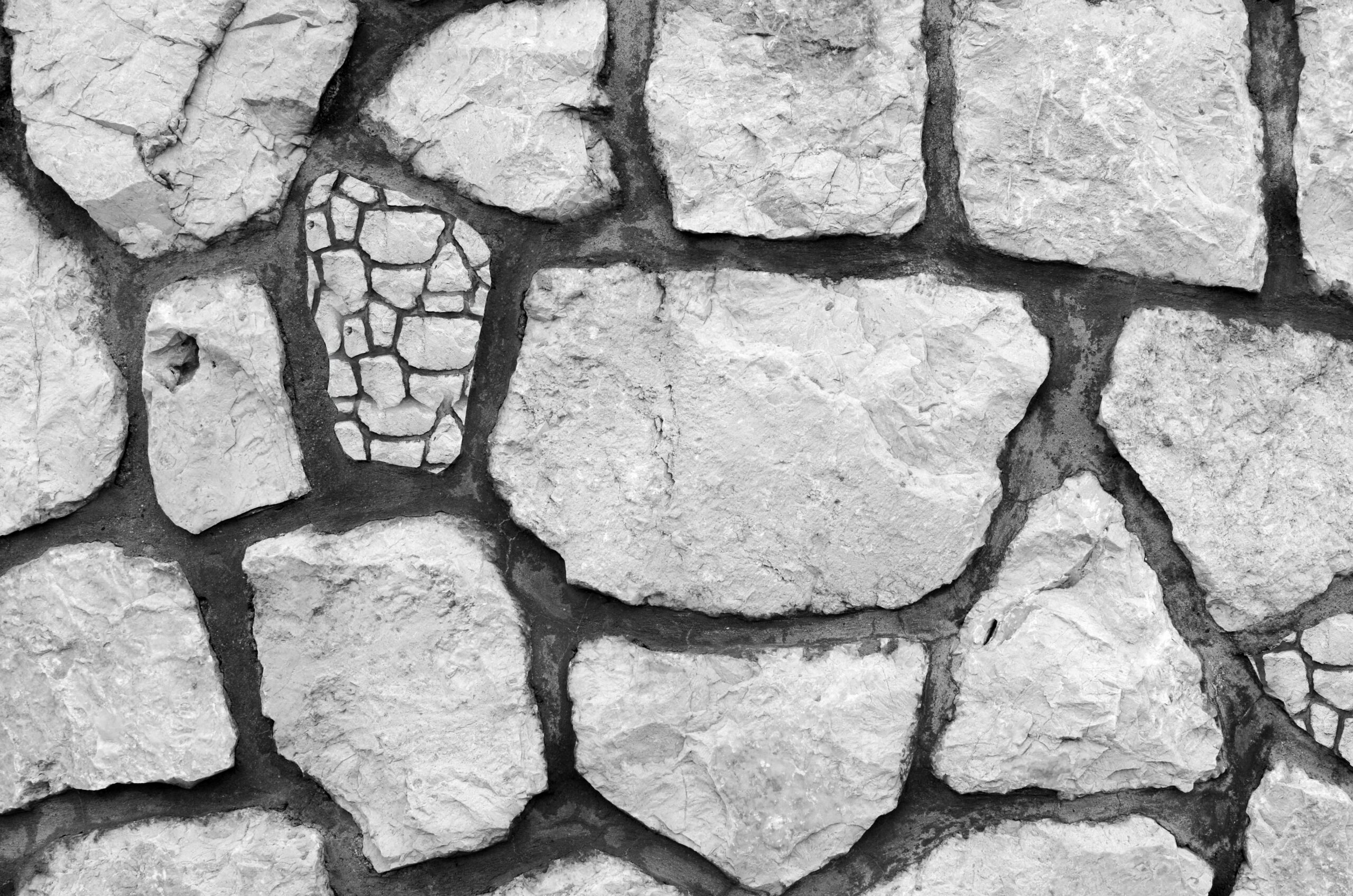
Retaining walls are supposed to hold back dirt, not hoard water like a grudge. If your wall traps rain like a kiddie pool, hydrostatic pressure starts throwing elbows behind the scenes. That’s when you get bulging blocks, ugly cracks, and yards that turn into swamps. The good news is you can stop the squeeze with retaining wall drainage that actually works. The even better news is it isn’t wizardry – it’s a system of simple parts that keep water moving instead of mashing your wall.
What Is Hydrostatic Pressure?
Hydrostatic pressure is the push water exerts when it soaks into soil and has nowhere to go. Dirt is heavy. Wet dirt is a gym membership. Saturated soils expand and slam lateral force into the back of your retaining wall. Without a way to bleed that water off, the wall starts leaning, bowing, cracking, or even toppling. If that wall is near your house, hello foundation problems and seepage in the basement or crawlspace. Once water wins, it keeps winning until you give it an exit.
Lots of wall failures trace back to trapped water, not weak blocks. Engineering guides have said for decades that drainage is usually the number one reason retaining walls fail. If the soil is constantly wet, that pressure doesn’t take days off. It just builds until something moves. Then it keeps pushing.
How Drainage Goes Wrong
Poor retaining wall drainage is usually a stack of small mistakes that snowball into big repair bills. Here’s the greatest hits album of what goes wrong:
Clay-heavy soils soak up water like a sponge and release it very slowly. If your backfill is cheap fill dirt or a mix of fines and clay, it traps moisture. If the wall doesn’t have proper weep holes or a perforated pipe at the base, water pools. If the pipe is there but flat or uphill, water sits. If the pipe or fabric clogs with mud, water sits. If the outlet is buried, smashed, or pointing at a fence, water sits. And when water sits, your wall starts complaining in the only language it knows – cracks and movement.
Some walls never stood a chance. Builders skip gravel backfill, use pea gravel that locks up instead of draining, or turn the drain holes into bug hotels by not screening them. Landscaping can make it worse by dumping irrigation right into the backfill. Downspouts that firehose the top of the wall are the cherry on the bad-idea sundae. Every one of these issues cranks up hydrostatic pressure.
Fixes That Actually Work
You need a pressure-release plan. The components are simple, and they’re strongest when they work together. Think of it like a relay team that carries water away from the wall without dropping the baton. You’ve got weep holes that let water exit through the face of the wall. You’ve got a trench of clean, angular gravel that moves water down to a perforated pipe. You’ve got filter fabric to keep soil out of everything. Then the pipe sends water to daylight or a French drain that doesn’t quit at the first puddle. No single part does it all – the magic is the combo.
If you want a deeper read on how these parts function, you can check resources like Arc Excavation on weep holes and pipe and Pacific Pavers on wall drainage techniques. But here’s the field-tested version we install and fix every week.
Weep Holes Done Right
Weep holes are the small openings along the face of the wall that let water discharge instead of collecting behind it. They’re simple, but the setup matters:
Size: Between about 2 and 4 inches in diameter works for most walls. You want a hole that passes water and doesn’t clog at the first leaf.
Spacing: As a general rule, space them around 3 to 7 feet apart horizontally. Taller or longer walls may need tighter spacing. In tiered walls, each tier needs its own drainage, not a hope and a prayer.
Height: Place them low on the wall where water will naturally collect. Slightly angle them downward toward the face so gravity does half the work for you.
Protection: Cover the interior side of each weep hole with a small pocket of clean crushed stone and a piece of non-woven filter fabric. On the front, use a screen or grate to keep critters, mulch, and leaves out. If your weep holes are just empty circles staring into the yard, they’re a clog-in-progress.
Gravel Backfill That Drains
Behind the wall, the backfill should be a vertical chimney of free-draining rock, not whatever dirt was closest to the shovel. Use angular, clean crushed stone like #57 or a 1/4 to 3/4 inch blend. Skip rounded pea gravel – it locks up and doesn’t create the same free-draining paths.
Depth: Install at least 12 to 18 inches of this aggregate from the back of the wall into the hillside. For taller walls, heavy soils, or high rainfall, you may go wider. This rock layer moves water down to the pipe without adding tons of pressure to the wall.
Compaction: Lightly compact in lifts, but don’t smash it to the point it behaves like concrete. The goal is stable and well-packed, not choked-off and impermeable.
Separation: Place non-woven filter fabric between the native soil and the gravel so fines don’t migrate into the rock and choke it off over time. Think breathable separation, not a plastic liner. The same fabric can wrap the top of the gravel column so new soil or mulch doesn’t sift in later.
Perforated Pipe And Fabric
At the base of that gravel chimney lives your workhorse: the perforated drain pipe. It collects water and escorts it away before it builds pressure.
Size: Most residential walls do well with a 4 inch perforated pipe. Corrugated is common and easier to snake, but rigid SDR-35 or PVC holds slope and resists crushing better. Choose based on the site and loads.
Slope: Pitch the pipe so water actually flows. A 1 to 2 percent slope is a solid target – that’s about 1 to 2 inches of fall for every 8 feet of run. Flat pipes are bathtubs with holes.
Wrap: Use a non-woven geotextile sock or wrap the pipe in filter fabric to block fine sediment from entering the pipe. Don’t use plastic sheeting. The fabric should breathe while filtering. Where space allows, set the pipe on a bed of clean stone and then surround it fully with more stone before wrapping with fabric.
Orientation: Perforations generally face down or at 4 and 8 o’clock so water enters at the bottom where it collects first. Surrounded by clean stone, the whole assembly behaves like a trench drain at the base of the wall.
Tie In to Real Outlets
A great drainage system that ends in a mud plug is not great. The water has to go somewhere safe and legal.
Daylight: If the grade allows, run the pipe to a daylight outlet where it exits on a slope away from structures. Protect the outlet with a grate or critter guard and keep it clear of mulch and grass.
French Drains: If you can’t hit daylight immediately, tie into a properly built French drain that continues that 1 to 2 percent slope and discharges somewhere sensible. The outlet should never be the neighbor’s fence line or a low spot in your lawn. When site grades are stubborn, a sump and pump may be needed to lift water to a discharge location.
Storm Systems: Where local codes allow, you can tie into approved storm drainage. Never tie into sanitary sewer lines. If you’re unsure, check your city’s rules first.
For more on the system approach, you can scan Pro Landscapes MD on drainage basics. The punchline is always the same – give water an easy, long-term path out.
| Component | Quick Spec |
|---|---|
| Weep Holes | 2 to 4 in diameter, 3 to 7 ft apart, low on wall, slight downward angle, screened |
| Gravel Backfill | Clean, angular #57 or 1/4 to 3/4 in, 12 to 18 in thick minimum, separated by fabric |
| Perforated Pipe | 4 in diameter, wrapped in non-woven fabric, 1 to 2 percent slope to outlet |
| Outlet | Daylight, French drain tie-in, or approved storm connection with protected discharge |
Red Flags To Watch
Hydrostatic pressure doesn’t leave a note. It leaves symptoms. If you see any of these, your wall is probably under water stress.
Leaning or Bowing: If the wall isn’t plumb or it bulges midspan, pressure is winning. Movement near the base is especially concerning because that’s where force is highest.
Cracks: Horizontal cracks, stair-steps, or separations between blocks show the wall trying to release pressure the ugly way. Mortared walls may also show mortar pops or spalls.
Seepage and Staining: Moisture leaking between blocks, dark streaks, or white crusty powder called efflorescence are all common when water is moving through masonry.
Soil Issues: Soggy ground behind the wall, puddles that never dry, or erosion channels above the wall mean water is collecting back there. Sometimes the first clue is a lawn that squishes near the top of the wall after every rain.
If any of these are showing up on your wall, it’s time to act before gravity files a claim against your property.
DIY Or Call A Pro?
Small wall, small fix. Big wall, big caution. That’s the rule.
DIY is usually fine for walls under about 4 feet tall where you’re dealing with minor drainage upgrades, like adding weep holes, improving gravel backfill, or cleaning and re-sloping an existing perforated pipe. You still need to work safely. Walls hold soil loads – don’t trench blindly, don’t undermine footings, and don’t lean a full wheelbarrow against a wall that’s already bowing.
Call a pro if the wall is over 4 feet, terraced, or carrying a surcharge like a driveway, deck, or slope above. Any visible movement, serious cracking, or separation from returns means you need an engineer’s eyes and likely a permit to rebuild or reinforce. Tall walls often need a designed system with geogrid reinforcement and a drainage plan that matches your soil type and rainfall.
If the wall is near your foundation or you’re seeing moisture inside the house, call fast. Hydrostatic pressure that punches a retaining wall can do the same to a basement wall. We see that scenario every storm season. There’s a reason we keep pumps and pipe on our trucks year-round.
Maintenance That Pays Off
Drainage is not set-and-forget. It’s set-and-check-occasionally. A few simple habits keep your system working for the long haul.
Keep Outlets Clear: Make sure the daylight pipe isn’t buried by grass, mulch, or last year’s leaf pile. After heavy rain, watch for steady discharge. A dry outlet when the wall is weeping elsewhere means a clog.
Respect Weep Holes: Don’t block them with planters, stone edging, or new steps. Brush away debris and clean screens as needed.
Protect The Gravel Zone: If you add soil or mulch above the wall, keep a filter fabric cap over the gravel backfill to stop fines from sifting down and clogging the rock.
Control Water Sources: Direct downspouts away from the wall. Watch irrigation overspray. Adjust timers when the weather cools. Your retaining wall isn’t a rice paddy.
Walk The Wall: Twice a year, put eyes on the wall after a decent rain. Look for new stains, bulges, or pooled water up top. Catching the first signs saves you from catching falling blocks later.
Why Drainage Protects Your Home
Good retaining wall drainage does more than save the wall. It protects the yard and the house. Getting water out of soil reduces lateral loads, which means fewer cracks and less movement over time. It also cuts down on yard flooding that kills grass, invites mosquitoes, and floats mulch into the next county. Most importantly, it reduces hydrostatic pressure around your foundation. Every gallon you steer away from the wall is a gallon that doesn’t try to squeeze through a basement joint or crawlspace vent.
If you’re dealing with foundation moisture or want to connect the dots between wall drainage and home protection, we’ve covered that here: Water Damage Threats to Foundation. The theme is the same on both sides of the yard – water needs a defined path out.
Austin And Central Texas Notes
In Central Texas, retaining wall drainage is not optional. We swing from months of drought to flash-flood weekends, and our clay soils throw tantrums during both. During dry spells, expansive clay shrinks and opens gaps. When the storms hit, those gaps fill fast, soils swell, and pressure spikes behind walls. If the wall doesn’t have a proper gravel chimney and a pitched perforated pipe, it will show it.
Set your system up for local reality. Use clean angular rock, not mixed fill. Run that pipe to an outlet with enough fall, and plan for intense cloudbursts, not gentle mists. Watch where your roof dumps water. A single oversized downspout can outflow a small drain pipe. If you can, route roof runoff away from the wall zone entirely or tie it into a separate storm line that doesn’t overload your wall’s drain system. Finally, choose plantings above the wall that don’t need daily irrigation. Native and drought-tolerant options are your friends here.
FAQ
Do all retaining walls need drainage?
Yes, unless your wall is decorative and not holding back soil. Any wall that retains soil should have a drainage plan that vents water from behind it. Gravity walls, segmental block walls, and mortared walls all benefit from weep holes, gravel backfill, and a perforated pipe with a real outlet. Even short walls in clay soils can fail without drainage.
How far apart should weep holes be?
A common spacing is about 3 to 7 feet apart across the wall, placed low and angled slightly downward. Taller or heavily loaded walls may call for tighter spacing. Each site is different, but those numbers are a good starting point. The key is pairing weep holes with gravel and fabric on the back side so they don’t clog with soil.
What gravel should I use behind the wall?
Use clean, angular crushed stone like #57 or a 1/4 to 3/4 inch blend. Avoid pea gravel and mixed fill with fines. Aim for a 12 to 18 inch thick zone from the back of the wall into the hillside, separated from native soil with non-woven filter fabric. That setup moves water down and away without turning into a mud brick over time.
Should the perforated pipe holes face up or down?
Down or at roughly 4 and 8 o’clock is standard. With clean stone around the pipe, water finds the perforations at the bottom first. The pipe should sit on and be surrounded by stone, then wrapped in non-woven fabric so silt stays out.
Can I retrofit drainage without rebuilding the wall?
Sometimes. You can add surface weep holes if the wall face allows, replace clogged outlet sections, and trench in a new French drain behind the wall if you can safely excavate without undermining it. But if the wall is already leaning or the footing is shallow, you may be throwing good money after bad. That’s when an engineer and a pro installer earn their keep.
What if I can’t daylight the pipe?
If grade won’t let you run downhill to daylight, extend the run to a French drain with enough fall to keep moving, or install a sump that pumps water to a safe discharge. Never cap the pipe in a low spot and call it good. Trapped water is the problem you’re trying to eliminate, not a design feature.
When To Call Us
If your wall is already leaning, cracking, or weeping in weird places, you’re past the YouTube phase. We fix water problems for a living. We can assess the wall, camera-scope or flush drain lines, clear or rebuild outlets, and install the right gravel, fabric, and pipe system behind the wall. If the wall needs engineering or partial reconstruction, we coordinate that too. And if water has already found its way to your foundation, we handle that mess before it becomes a mold party.
Need a straight answer and a plan? Reach out. We’ll stop the hydrostatic squeeze before it trashes your wall, yard, or house.
Sources worth a look if you want to geek out on the mechanics and methods: Arc Excavation on weep holes and fabric, Pacific Pavers on drainage techniques, and Pro Landscapes MD on backfill and pipes. For how hydrostatic pressure multiplies lateral loads on walls, guides like the HBG Civil retaining wall guide are a helpful primer.